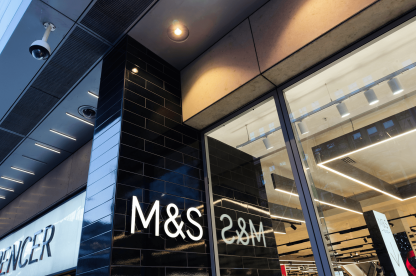
The M&S cyber-attack in 2025 placed customer data exposure back into the national spotlight. Large retail organisations operate at high transaction volume and manage extensive loyalty databases across distributed teams. A single intrusion can ripple through customer trust and regulatory scrutiny.
It was suggested that threat actors accessed personal data during the attack. Afterwards, questions were asked about how access was obtained, how internal communication channels were monitored and what email security was in place. Organisations across the UK retail sector now face renewed pressure to examine how customer records and internal correspondence are protected.
How did the M&S email security incident escalate into a warning for the retail sector?
High-profile breaches attract attention because of brand visibility and customer scale. Once attackers gain entry, internal mailboxes and shared folders become valuable sources of information. Contract details and password reset processes can be exploited.
Large retail estates connect e-commerce and payment processing systems. An intrusion in one channel can expand into others if controls are not tightly managed. Security analysts reviewing the M&S case noted how compromised credentials or phishing activity can open the door to wider system access.
This has intensified discussion around email security for UK retailers. Internal communications remain a preferred route for attackers seeking lateral access inside retail networks. Boards are now asking whether current controls can detect suspicious login behaviour before customer records are exposed.
Could compromised mailboxes expose more than customer data?
A breached mailbox can reveal supplier pricing and internal escalation threads. Attackers reviewing inboxes gain insight into how a retailer handles refunds and account recovery.
An organisation that fails to secure an email account at the first sign of compromise risks secondary fraud. Criminals can impersonate finance teams, redirect invoices, or request urgent data transfers. Store and head office staff may not detect subtle anomalies in sender addresses.
Executives discussing a gap in how their emails are kept secure should consider how mailbox access intersects with identity controls. Weak authentication or unused legacy accounts create exposure that extends across payroll and HR systems.
What email security weaknesses in retail email environments demand urgent review?
Post-incident analysis across the sector points to recurring weaknesses in email protection controls. Store networks are operated by frontline workforces with shared devices and a high staff turnover. Managing account lifecycles correctly can lag behind operational change.
Attackers target password resets and dormant accounts. Once inside, they scan inboxes for internal policy documents and financial approvals. Security teams must map how authentication and mailbox monitoring interact across the organisation.
Key areas that merit scrutiny include:
- Privileged access granted to temporary staff
- Forwarding rules that divert internal communications
- Third-party marketing platforms connected to corporate inboxes
Addressing these weaknesses forms part of improving communication safeguards to protect against any future breaches.
Are retailers underestimating how attackers exploit internal communication?
How a store operates, or how head office functions, depends on email systems working properly so that supplier coordination and promotional campaigns can be organised. Compromised inboxes provide attackers with a blueprint of stock movements and discount strategies.
A disciplined email security framework should go further than spam filtering. It must account for credential theft and suspicious login locations. Internal risk scoring tied to identity data can highlight accounts that merit investigation.
Senior leadership should treat lessons from retail data breach reporting as an operational priority. Attackers study how businesses communicate before launching targeted phishing waves that mirror genuine internal messages.
How should UK retailers strengthen detection after a breach?
Board members now face the task of how to strengthen communication security in retail sector operations without disrupting store activity. Post-breach reviews should examine how authentication events are logged and how alerts are escalated.
Teams that cannot secure an email account quickly after they are compromised put customer service desks at risk of reputational harm. Reset processes must terminate active sessions and invalidate suspicious tokens without delay.
Big retailers also require structured mailbox auditing. Suspicious forwarding and abnormal inbox access should trigger a review before attackers pivot into finance or procurement functions.
Does supplier integration increase exposure?
Store networks maintain constant dialogue with logistics providers and payment processors. Supplier mailboxes often contain contractual attachments and payment instructions.
Structured email protection policies should evaluate how external accounts interact with internal staff. Excessive permissions or shared credentials raise the likelihood of unauthorised access. Segmented access rules can reduce exposure across supplier communication chains.
Procurement teams must also review how external marketing agencies access campaign inboxes. Third-party connections expand the potential attack surface and require documented oversight.
Could loyalty programme data amplify breach impact?
Loyalty schemes within the retail sector concentrate purchase history and contact details in connected systems. Compromised inboxes linked to marketing or CRM platforms can expose more than transactional records. Attackers who gain mailbox access may study campaign schedules and customer segmentation files before targeting high-value accounts.
Those reviewing their email security controls should consider how promotional workflows intersect with identity management. Marketing teams routinely grant inbox access to agencies and analytics partners. Processes regarding access must verify that permissions remain proportionate.
Teams that fail to secure an email account tied to loyalty scheme operations risk fraud later down the line, including account takeover attempts and phishing messages that mirror branded campaigns. Protection of marketing mailboxes therefore carries the same weight as finance or HR accounts.
How can retailers test the resilience of their current controls?
Scenario exercises offer insight into how teams respond to compromised inbox alerts. Security and operations staff should rehearse containment steps and password resets.
Independent review of email protection telemetry can uncover blind spots. Simulated phishing campaigns provide evidence of staff awareness levels across stores and head office functions.
Organisations that integrate monitoring results into quarterly reviews of online safety procedures are making communication safeguards as important as payment and data protection oversight.
Internal communication channels remain a central point of exposure. If you are a UK retailer assessing your cybersecurity following recent incidents, see how we can support you with structured mailbox monitoring and identity-based risk analysis.
Book a demo to explore how stronger oversight can reduce exposure across retail organisations.